
Biopsychosocial Influences on Movement Quality in Low Back Pain
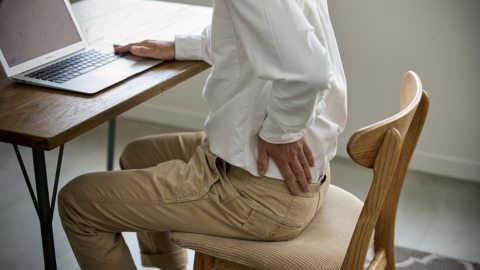
Biopsychosocial Influences on Movement Quality in Low Back Pain
This course includes
The instructors
Overview
Low back pain (LBP) is one of the leading causes of disability worldwide, yet many treatment approaches focus primarily on physical structures rather than the complex interaction between biological, psychological, and social factors.
This course explores the biopsychosocial influences on movement quality in individuals with persistent low back pain, using the case of Michael, a 36-year-old experiencing chronic LBP exacerbated by reduced activity during the COVID-19 pandemic.
Through clinical insights and objective biomechanical analysis, the presenters demonstrate how maladaptive movement patterns, fear of movement, catastrophizing beliefs, and nervous system sensitization interact to sustain pain and disability. Participants will examine how protective guarding strategies, initially helpful for tissue healing, can become maladaptive over time, leading to increased spinal loading, reduced movement variability, and persistent symptoms.
The course introduces Cognitive Functional Therapy (CFT) as an evidence-informed approach that addresses the multidimensional drivers of chronic pain. By combining education, graded exposure to movement, and lifestyle interventions, CFT helps clinicians guide patients toward improved movement confidence, reduced guarding, and restored function.
Participants will gain a deeper understanding of how to assess and address movement, psychological, and neurophysiological contributors to low back pain in clinical practice.
Learning Objectives
By the end of this course, participants will be able to:
-
Explain the biopsychosocial factors that influence movement quality and disability in individuals with low back pain.
-
Identify maladaptive movement patterns and guarding behaviors associated with persistent LBP.
-
Understand how pain-related fear, catastrophizing, and nervous system sensitization contribute to movement dysfunction and ongoing pain.
-
Interpret clinical findings from biomechanical assessments, including motion analysis and EMG data.
-
Describe the core principles and pillars of Cognitive Functional Therapy (CFT).
-
Apply strategies such as graded exposure to movement and patient-centered education to improve function and reduce disability.
-
Recognize how biopsychosocial approaches can be integrated across different stages of low back pain, including acute and persistent presentations.
Audience
This course is designed for healthcare professionals involved in the assessment and management of musculoskeletal pain, including:
-
Physiotherapists / Physical Therapists
-
Chiropractors
-
Osteopaths
-
Sports medicine clinicians
-
Rehabilitation specialists
-
Other healthcare professionals interested in biopsychosocial approaches to pain and movement rehabilitation
Why This Course Matters
Persistent low back pain is rarely explained by structural pathology alone. Research increasingly demonstrates that psychological factors, movement behaviors, and nervous system processing play critical roles in shaping pain experiences and functional outcomes.
Traditional treatment approaches that focus only on tissue pathology may overlook these important drivers of disability.
This course highlights how fear-driven guarding, altered movement patterns, and central sensitization can perpetuate pain cycles. By integrating insights from biomechanics, pain science, and behavioral therapy, clinicians can better support patients in restoring confident, efficient movement.
Understanding and applying Cognitive Functional Therapy allows clinicians to move beyond symptom management toward addressing the underlying contributors to persistent pain and disability, ultimately improving patient outcomes.
About the Presenters
Patrick Ippersiel is a PhD candidate in Rehabilitation Sciences at McGill University. His work is studying the relationship between pain sensitivity, psychological factors, and movement in persistent low back pain. Patrick is a FCAMPT clinician with over 10 years of experience and is a sessional lecturer at McGill University in the Professional Master's program. He completed his BSc. in Physiotherapy at McGill University in 2007 and his Clinical Master in Physiotherapy at Curtin University in Australia. He is currently a part of the Executive for the CPA's Pain Science Division.
Andrij Ferguson has over 10 years of clinical experience in private orthopedic settings, working with the general population as well as athletes from a wide variety of sports. He graduated from McGill University with a BSc in Physical Therapy in 2007, from Curtin University in Australia with a Clinical Master of Physical Therapy in 2011, and is currently a DSc.PT candidate at Andrews University in Michigan. Andrij has also gained valuable experience as a clinical instructor and sessional instructor with McGill University, as well as serving as the physiotherapy consultant for the College Français Longueuil Junior AAA hockey team since 2013.
The instructors

Material included in this course
-
Course Materials
-
Welcome
-
Video Presentation
-
Summary and Key Insights
-
Feedback
I'm a member of the Canadian Physiotherapy Association (CPA). What are the discounts available to CPA Members on Embodia?
As part of our partnership with the CPA, we offer its members discounts on courses and Embodia Memberships. Learn more about the partnership on this page.
In order for the discount to be applied, you first need to authenticate your CPA membership. This is an important step as this is how Embodia 'knows' that you are a CPA member.
To authenticate as a CPA member, you need to sign in the CPA portal on this page, sign in to your CPA account, and then click the button on the page.
Please note that your email address on your CPA account must match your email address on Embodia. If needed, you can update your information on Embodia as outlined in this guide.

Is a certificate of completion included with this course?
Once you have completed the course, a certificate of completion (including learning hours and course information) will be generated. You can download this certificate at any time. To learn more about course certificates on Embodia please visit this guide.
This can be used for continuing education credits, depending on your professional college or association. If this course has been approved for CEUs in specific jurisdictions, it will be noted on the course page and CEU information may be added to your course certificate. Please read this guide for more information.